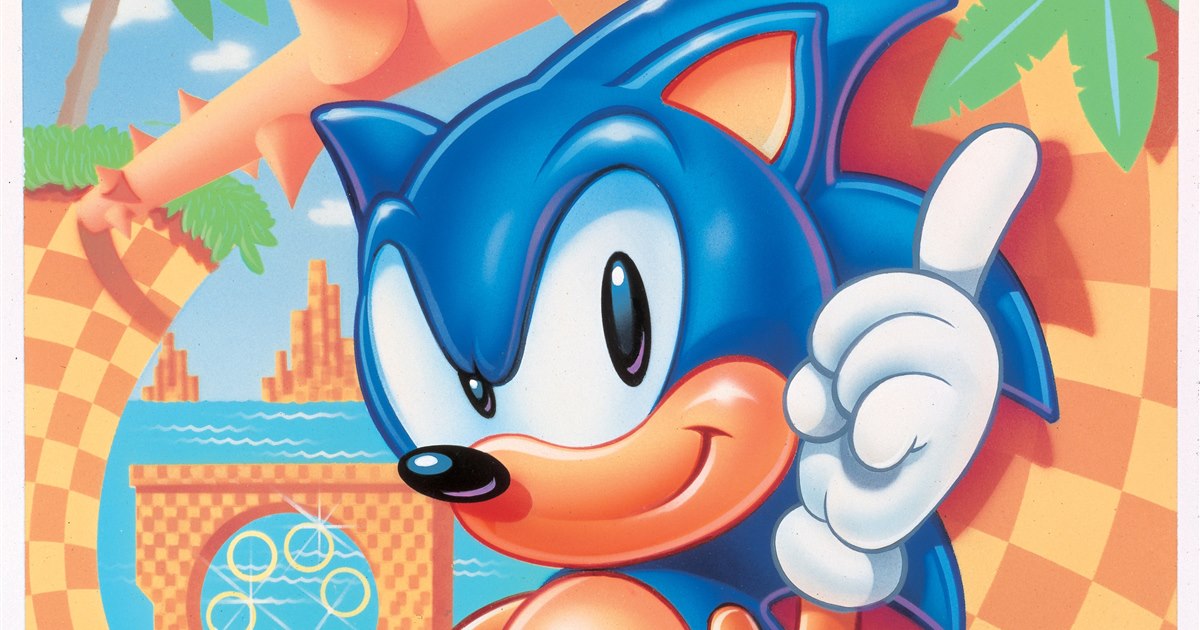
Sonic the Hedgehog: Sega's Blue Blur and the 16-Bit War
How Sega built Sonic the Hedgehog to challenge Nintendo, what made the original trilogy great, and which versions are worth playing today — a complete retrospective of the 16-bit era's defining platform series.
Last updated:
Quick Answer
Sonic the Hedgehog was Sega’s answer to Mario — and for several years in the early 1990s, it genuinely competed. The original trilogy on the Genesis/Mega Drive remains among the best 2D platform games ever made. Sonic 3 & Knuckles is the peak. Start there.
Last Updated
Content reviewed May 2026. Platform availability for modern re-releases verified at time of writing.
Who This Is For
- Retro gamers who grew up with Nintendo and want to understand what the Sega side had to offer
- Platform game fans who have played Mario but not Sonic
- Anyone curious about the 16-bit console war and what drove it
- Players deciding which classic Sonic entry to try first
Key Takeaways
- Sonic was built specifically to rival Mario — Sega needed a mascot that showcased Genesis hardware advantages
- The key design distinction: Sonic games are about speed and momentum, not precision jumping
- The original trilogy (Sonic 1, 2, 3 & Knuckles) is the strongest run of games in the series
- Sonic & Knuckles’ lock-on technology was a creative hardware solution to a game split by deadline pressure
- The 3D era struggled; the 2D games remain the series’ strongest work
Why Sega Built Sonic
In 1990, Nintendo owned the home console market. The original NES had given way to the SNES, and Mario was the defining mascot of home gaming.
Sega’s Genesis (Mega Drive in Japan and Europe) was technically competitive but lacked the cultural foothold Nintendo had. Sega’s existing mascot, Alex Kidd, was not working as a counter to Mario.
The brief given to developer Yuji Naka and designer Naoto Ohshima was essentially: create a character that makes the Genesis look faster and more exciting than the SNES. Speed was the chosen differentiator. The SNES’s Mode 7 effects were impressive, but Nintendo’s flagship platformer — Super Mario World — was not built around velocity.
Sonic the Hedgehog was designed from the start to scroll faster than anything the SNES could match at equivalent quality. Sega’s marketing leaned into this — “Blast Processing” was the term used in commercials, implying a raw speed advantage. The technical claim was debated, but the games demonstrably ran at high speeds with smooth scrolling.
The character design — a blue hedgehog with attitude, sneakers, and a foot-tapping idle animation — was deliberately positioned as cooler than Mario. The marketing worked. By 1992, the Genesis had meaningfully closed the console market gap.
The Original Trilogy: A Game by Game Breakdown
Sonic the Hedgehog (1991)
The first game introduced the mechanics: spin attack, momentum-based movement, collecting rings as hit points, and the spring-loaded speed sections.
Level design in the original game has two registers: the speed zones where Sonic flows through loops and ramps, and the platforming zones where the speed has to be managed carefully. Green Hill Zone is one of the best-designed tutorial levels in gaming — it teaches the mechanics entirely through layout without a single instruction.
The boss fights are straightforward: Dr. Eggman (called Robotnik in Western localizations) appears in a machine at the end of each zone and uses a predictable attack pattern.
The Special Stages — rotating pseudo-3D mazes accessed via giant rings — are among the most distinctive elements of the game. Completing all six unlocks the Chaos Emeralds and the true ending.
Verdict: The foundational game. Worth playing once to understand the series origins.
Sonic the Hedgehog 2 (1992)
The sequel introduced Tails as a secondary character, the Spin Dash (a charging move that addresses the original’s slow startup), and a two-player split-screen racing mode.
Level design is more consistently developed than the original — fewer conceptual dead ends, better pacing across the eight zones. Chemical Plant Zone and Aquatic Ruin Zone are highlights. The Casino Night Zone pinball sections are divisive but memorable.
The Special Stages changed to half-pipe bonus rounds. These are faster and more mechanically interesting than the original’s rotating mazes.
Sonic 2 is the most immediately accessible entry in the trilogy. The Spin Dash eliminates the momentum management learning curve from the first game.
Verdict: The recommended starting point for new players.
Sonic 3 & Knuckles (1994)
The intended third game was too large for a single cartridge and was split. Sonic 3 (February 1994) covered the first half. Sonic & Knuckles (October 1994) covered the second, and introduced lock-on technology — you could plug the Sonic 3 cartridge into the top of the Sonic & Knuckles cart to play the full combined game.
The combined Sonic 3 & Knuckles is the peak of the 2D series:
- 14 zones (compared to 6-8 in the previous games)
- Knuckles as a separate playable character with different routes and abilities
- Shield power-ups with elemental properties (fire, water, lightning)
- Fully branching special stages
- Michael Jackson contributed to the musical score (credited or not remains debated — the connection is well-documented but the official credit was never given)
Editor’s note: Sonic 3 & Knuckles is often listed as a single game — which it is in the intended sense. The split was a business and development schedule decision, not a design one. Play it as the combined cartridge.
Verdict: The best game in the classic series. Play this first if you only play one.
Sonic vs. Mario: What Was Actually Different
The console war marketing positioned these as equivalent products competing for the same player. In practice, they were different types of platform games:
| Design Element | Sonic (Genesis) | Mario (SNES) |
|---|---|---|
| Core mechanic emphasis | Speed and momentum | Precision and control |
| Hit point system | Rings (scatter on hit, can recover) | Fixed health segments |
| Level traversal | Multiple vertical paths | Primarily horizontal |
| Restart on death | Checkpoint system | Fixed restart points |
| Secondary character | Tails (cooperative, passive) | Yoshi (interactive mount) |
| Difficulty curve | Early accessibility, later precision required | Consistent challenge scaling |
Neither design was superior in absolute terms. They offered genuinely different experiences. Owning both consoles was the correct answer, not a marketing compromise.
The 16-Bit Console War: How It Ended
By 1993-1994, the Genesis had captured approximately 55% of the 16-bit console market in North America — a remarkable reversal from the NES era when Nintendo had held near-total dominance.
The factors:
- Sonic 1 and 2 bundled with Genesis hardware drove adoption
- Aggressive Sega marketing targeting older teens and young adults
- Strong third-party support including sports games
- Earlier launch and lower price point in key markets
The SNES fought back with strong exclusive titles and the SNES’s longer software lifespan. By the end of the 16-bit era, both platforms had extensive libraries worth exploring.
The 32-bit transition (Saturn vs. PlayStation) shifted the competitive landscape entirely and removed Sega from the position Sonic had won for them.
How to Play the Classic Games Today
Sonic Origins (2022) Platform: PC (Steam, Epic), PlayStation 4/5, Xbox One/Series, Nintendo Switch Includes: Sonic 1, Sonic CD, Sonic 2, and Sonic 3 & Knuckles in remastered versions with widescreen support, updated animations, and a mission mode.
Sega Genesis Classics (Steam) Platform: PC Includes Sonic 1, 2, and Spinball among over 50 Genesis titles. Emulation accuracy, save states, rewind function.
Comparison: Which Classic Sonic to Play First
| If you want… | Play |
|---|---|
| The best overall game | Sonic 3 & Knuckles |
| The best introduction | Sonic 2 |
| Historical context | Sonic 1 |
| Most content in one package | Sonic Origins |
Common Mistakes
- Sprinting through everything — Sonic rewards momentum management, not constant full speed. Knowing when to stop and look ahead prevents most avoidable deaths
- Ignoring rings as a shield — carrying rings means one hit does not kill you. Maintaining ring count through a zone is a core survival strategy
- Playing Sonic 3 without Sonic & Knuckles — Sonic 3 alone is half a game. Play the combined version via lock-on or Sonic Origins
- Starting with a 3D Sonic game — the Dreamcast-era and later 3D entries have very different quality curves and do not represent the series at its best. Start with the Genesis trilogy
 Sonic the Hedgehog pixel art infographic — 1991 debut, Sega Genesis, speed-based design, original trilogy, and 16-bit war
Sources
- Sega official Sonic history: https://www.sega.com/sonic
- MobyGames — Sonic the Hedgehog (1991): https://www.mobygames.com/game/6600/sonic-the-hedgehog/
- Sonic Origins — Sega: https://www.sega.com/games/sonic-origins/
- Hardcore Gaming 101 — Sonic: https://www.hardcoregaming101.net/sonic-the-hedgehog/
FAQ
When was Sonic the Hedgehog released? June 23, 1991 for Sega Genesis in North America. Now celebrated as Sonic Day.
What is the best classic Sonic game? Sonic 3 & Knuckles. Play it as the combined cartridge or via Sonic Origins.
What was Blast Processing? A Sega marketing term implying Genesis processing speed advantages. Mostly marketing language, though Genesis did have a higher CPU clock speed than SNES.
How do I play Sonic today? Sonic Origins (2022) is the recommended modern package, available on all current platforms.
Frequently Asked Questions
- When was the original Sonic the Hedgehog released?
- Sonic the Hedgehog was released for the Sega Genesis (Mega Drive) on June 23, 1991 in North America. This date is now celebrated annually as Sonic the Hedgehog Day.
- Why was Sonic created?
- Sega needed a mascot to compete with Nintendo's Mario. Yuji Naka led the development team; Naoto Ohshima designed the character. Sonic was built around speed as a game mechanic that the SNES Mario games did not replicate.
- What is the best classic Sonic game?
- Sonic 3 & Knuckles (the combined version of Sonic 3 and Sonic & Knuckles via lock-on technology) is widely considered the peak of the 2D series. It has the most content, the best music, and the most developed level design of the Mega Drive era.
- What is Blast Processing?
- Blast Processing was a Sega marketing term used in early 1990s commercials to imply the Genesis had superior processing speed over the SNES. While the Genesis CPU did run at a higher clock speed, the term was largely marketing language rather than a precise technical description.
- How can I play the classic Sonic games today?
- Sonic Origins (2022) includes Sonic 1, CD, 2, and 3 & Knuckles remastered on modern platforms. The Sega Genesis Classics collection on Steam also includes several classic Sonic titles.